Trigger Finger – Tendon Sheath Strain
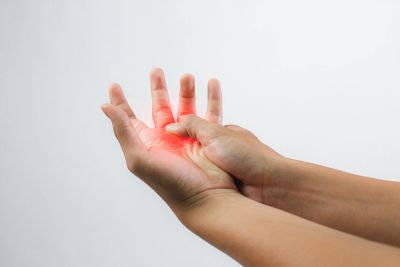
What Is Trigger Finger?
Trigger Finger (also known as stenosing tenosynovitis) occurs when the flexor tendon in the finger becomes irritated and can no longer glide smoothly through its tendon sheath pulley system. The tendon thickens or the sheath becomes inflamed, creating friction and mechanical catching.
When the tendon cannot glide properly, the finger may click, lock, or “trigger” during movement. In more advanced cases, the finger may become stuck in a bent position and require manual assistance to straighten.
Physiotherapy is essential for restoring tendon mobility, reducing inflammation, and preventing progression to surgical intervention.
Why Trigger Finger Happens
- Repetitive gripping or forceful hand use
- Tendon sheath inflammation from overuse
- Thickening or nodules on the flexor tendon
- Collagenous strain of the pulley system
- Poor wrist or hand biomechanics
- Post‑surgical or post‑injury changes
- Medical conditions such as diabetes or rheumatoid arthritis
Trigger Finger is a mechanical problem, not simply inflammation, meaning targeted rehabilitation is highly effective.
Typical Symptoms
- Clicking or popping when bending or straightening the finger
- Pain at the base of the affected finger or thumb
- Finger locking in a bent position
- Tenderness over the tendon sheath
- Stiffness, especially in the morning
- Difficulty gripping, typing, or holding objects
Symptoms often worsen with repetitive hand activity or prolonged gripping.
How Physiotherapy Helps
Physiotherapy focuses on restoring smooth tendon gliding, reducing sheath irritation, and improving hand mechanics to prevent recurrence.
Treatment Focus
- Manual therapy to reduce tension in the flexor tendons and surrounding tissues
- Joint mobilization to improve finger and hand mobility
- Tendon‑gliding exercises to restore smooth movement through the pulley system
- Biomechanics analysis to correct gripping and wrist mechanics
- Strengthening protocols for hand and forearm stability
- Dry needling for deep muscle tension contributing to tendon overload
- Splinting or taping for temporary reduction of tendon friction
- Education on activity modification and prevention strategies
What to Expect During Your Assessment
Your physiotherapist will perform:
- Palpation to identify tendon sheath thickening or nodules
- Finger mobility and tendon‑glide testing
- Grip strength and functional hand assessment
- Wrist and forearm biomechanics evaluation
- Screening for contributing neck or nerve involvement
- Review of imaging if available
- A personalized rehabilitation plan based on your symptoms and daily demands
When to Seek Help
Book an assessment if you experience:
- Clicking or popping in a finger or thumb
- Pain at the base of the finger
- Finger locking or difficulty straightening
- Difficulty gripping or holding objects
Prompt treatment prevents progression to chronic locking or surgical intervention.