Temporomandibular Joint Dysfunction (TMJ) / Disc‑Clunk
What Is TMJ Dysfunction?
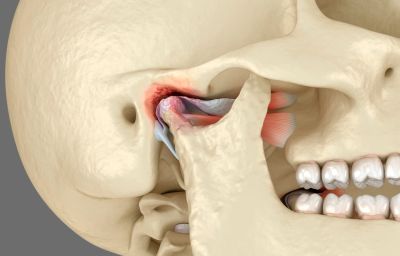
Temporomandibular Joint Dysfunction (TMJ Dysfunction) occurs when the jaw joint, disc, ligaments, or surrounding muscles stop working together smoothly. The TMJ is a complex hinge‑and‑glide joint that relies on a small cartilage disc to maintain proper alignment. When this disc becomes displaced or irritated, it can create clicking, popping, locking, or pain.
A disc‑clunk is a specific type of TMJ dysfunction where the disc slips forward and then snaps back into place during jaw opening, often producing a noticeable “clunk” sound or sensation.
Physiotherapy is essential for restoring disc mechanics, reducing muscle tension, and improving jaw alignment.
Why TMJ Dysfunction Happens
- Disc displacement (anterior disc shift)
- Ligament laxity or collagenous strain
- Jaw clenching or grinding (bruxism)
- Poor posture affecting jaw mechanics
- Trauma (impact, dental procedures, whiplash)
- Muscle imbalance or overuse
- Stress‑related jaw tension
- Arthritis or degenerative changes
Typical Symptoms
- Clicking, popping, or clunking during jaw movement
- Jaw pain or tightness
- Difficulty opening the mouth fully
- Locking (jaw stuck open or closed)
- Ear pain, pressure, or ringing
- Headaches or facial pain
- Pain while chewing, talking, or yawning
- Neck stiffness or upper‑back tension
Symptoms often fluctuate depending on stress, posture, and jaw activity.
Disc‑Clunk: What It Means
A disc‑clunk indicates that the cartilage disc is not tracking properly between the jaw bone (mandible) and skull (temporal bone). This may involve:
- Disc displacement with reduction (clicking/clunking)
- Disc displacement without reduction (locking)
- Ligament strain allowing excessive disc movement
- Muscle tension pulling the disc out of alignment
Physiotherapy focuses on restoring disc position, reducing strain, and improving joint stability.
What to Expect During Your Assessment
Your physiotherapist will perform:
- TMJ joint mobility and disc tracking evaluation
- Muscle tension assessment (jaw, face, neck)
- Bite pattern and jaw alignment analysis
- Cervical spine mobility testing
- Posture and movement assessment
- Palpation to identify disc displacement or ligament strain
- Review of dental or medical imaging if available
- A personalized rehabilitation plan based on your symptoms and daily demands
When to Seek Help
Book an assessment if you experience:
- Clicking, popping, or clunking in the jaw
- Pain while chewing, talking, or yawning
- Jaw locking or difficulty opening fully
- Ear pain, headaches, or facial tension
- A history of clenching, grinding, or jaw trauma
Prompt treatment prevents chronic disc displacement and reduces the risk of long‑term TMJ dysfunction.