Stress / Bone Fractures
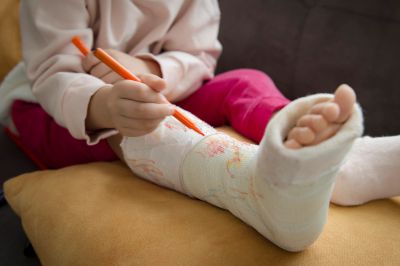
What Are Stress / Bone Fractures?
Stress fractures are small cracks or severe irritation within a bone caused by repetitive loading, overuse, or sudden increases in activity. Unlike traumatic fractures, stress fractures develop gradually as bone is unable to keep up with the repeated forces placed on it.
Bone is a living tissue that constantly remodels. When the rate of breakdown exceeds the rate of repair, microscopic damage accumulates, eventually leading to a stress reaction or stress fracture. Early physiotherapy intervention helps prevent progression to a full fracture and supports safe return to activity.
Types of Bone Stress Injuries
- Stress Reaction: Early bone irritation without a visible fracture
- Stress Fracture: A small crack in the bone
- Complete Fracture: Full break, often requiring medical or surgical intervention
- Insufficiency Fracture: Occurs when weakened bone cannot tolerate normal stress
- Fatigue Fracture: Occurs when healthy bone is overloaded by excessive repetitive force
Common Locations
- Tibia (shin)
- Metatarsals (foot)
- Femur (thigh)
- Pelvis
- Fibula
- Spine (pars interarticularis)
- Ribs
- Navicular bone
Typical Symptoms
- Localized, pinpoint pain
- Pain that worsens with weight‑bearing
- Swelling or tenderness over the bone
- Pain during impact activities (running, jumping)
- Pain that improves with rest but returns quickly
- Difficulty performing repetitive or high‑load tasks
Symptoms often start gradually and worsen without proper management.
Common Causes
- Sudden increase in training volume or intensity
- Repetitive high‑impact activities (running, jumping, marching)
- Poor biomechanics causing uneven load distribution
- Inadequate footwear or surface changes
- Muscle fatigue leading to poor shock absorption
- Low bone density or nutritional factors
- Post‑surgical changes altering load patterns
How Physiotherapy Helps
Physiotherapy plays a key role in identifying the cause of the bone stress injury, managing symptoms, and guiding safe return to activity while protecting the healing bone.
Treatment Focus
- Biomechanics analysis to identify load faults contributing to bone stress
- Gait analysis for lower‑limb stress fractures
- Manual therapy to reduce compensatory muscle tension
- Strengthening protocols to improve shock absorption
- Load management education to prevent reinjury
- Running analysis for athletes returning to sport
- Bracing or taping when temporary support is needed
- Scientific‑guided rehab to ensure progressive and safe loading