Scoliosis Rehabilitation
What Is Scoliosis?
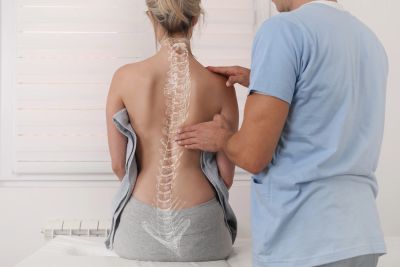
Scoliosis is a three‑dimensional curvature of the spine involving lateral bending, rotation, and changes in spinal alignment. It can develop during childhood, adolescence, or adulthood and may progress depending on age, biomechanics, and underlying causes.
Physiotherapy plays a critical role in improving posture, reducing pain, enhancing muscular balance, and preventing curve progression, especially when combined with targeted exercise and movement retraining.
Types of Scoliosis
- Idiopathic scoliosis — Most common; develops during growth without a known cause
- Congenital scoliosis — Structural abnormalities present at birth
- Neuromuscular scoliosis — Associated with neurological or muscular conditions
- Degenerative scoliosis — Age‑related changes in discs, joints, and posture
- Functional scoliosis — Caused by muscle imbalance, leg‑length discrepancy, or posture
Understanding the type of scoliosis helps guide the most effective rehabilitation plan.
Typical Symptoms
- Visible spinal curvature or uneven posture
- Shoulder or hip height differences
- Back pain or stiffness
- Rib prominence or rotation
- Muscle imbalance or fatigue
- Difficulty with prolonged sitting or standing
- Reduced mobility or flexibility
Symptoms vary depending on curve severity and underlying biomechanics.
How Physiotherapy Helps
Physiotherapy focuses on improving spinal alignment, muscular balance, and movement control. Treatment is individualized based on curve pattern, severity, and functional goals.
Treatment Focus
- Manual therapy to reduce stiffness and improve segmental mobility
- Joint mobilization for restricted spinal segments
- Curve‑specific strengthening to support spinal alignment
- Neuromuscular training to improve posture and movement control
- Breathing and rib‑cage expansion training for rotational components
- Biomechanics analysis to correct compensatory patterns
- Scientific‑guided rehab for progressive loading
- Education on posture, ergonomics, and daily movement strategies
What to Expect During Your Assessment
Your physiotherapist will perform:
- Detailed spinal mobility and alignment assessment
- Curve pattern evaluation (thoracic, lumbar, thoracolumbar)
- Posture and movement analysis
- Strength and stability testing
- Rib‑cage and breathing assessment
- Functional testing (walking, bending, lifting)
- Review of imaging (X‑ray, MRI) if available
- A personalized rehabilitation plan based on your curve type and goals
When to Seek Help
Book an assessment if you experience:
- Visible spinal curvature or posture changes
- Back pain or stiffness
- Uneven shoulders, hips, or rib prominence
- Difficulty with prolonged sitting or standing
- A known scoliosis diagnosis needing ongoing management
Early intervention improves alignment and prevents progression.