Neurological Trauma - Nerve Injury:
What Is Neurological Trauma / Nerve Injury?
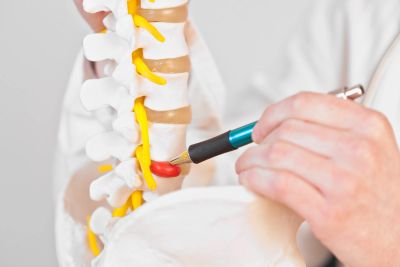
Neurological trauma occurs when a nerve becomes compressed, irritated, or damaged anywhere along its pathway. Nerves carry signals that control movement, sensation, and muscle activation. When injured, they can create pain, numbness, tingling, weakness, or altered movement patterns.
Nerve injuries may arise from disc bulges, joint compression, muscle entrapment, postural strain, or direct trauma. Physiotherapy plays a crucial role in restoring nerve mobility, reducing inflammation, and improving functional recovery.
Common Types of Nerve Injuries
- Radiculopathy — Nerve root compression at the spine (cervical, thoracic, lumbar)
- Peripheral nerve entrapment — Compression along the nerve pathway (median, ulnar, radial, sciatic, tibial)
- Sciatica — Irritation of the sciatic nerve causing leg pain
- Carpal Tunnel Syndrome — Median nerve compression at the wrist
- Thoracic Outlet Syndrome — Nerve compression between the neck and shoulder
- Post‑surgical nerve irritation — Nerve sensitivity following orthopedic procedures
- Traumatic nerve injury — Direct impact or overstretching of a nerve
Typical Symptoms
- Sharp, burning, or electric pain
- Numbness or tingling
- Muscle weakness or fatigue
- Radiating pain into the arms or legs
- Sensitivity to touch or pressure
- Reduced coordination or grip strength
- Pain that worsens with specific movements or positions
Symptoms often follow a predictable nerve pathway, helping identify the exact nerve involved.
How Physiotherapy Helps
Physiotherapy focuses on restoring nerve mobility, reducing compression, and improving the health of surrounding tissues. Early intervention prevents chronic nerve irritation and long‑term weakness.
Treatment Focus
- Manual therapy to reduce joint or soft‑tissue compression
- Joint mobilization to improve space around irritated nerves
- Neural gliding techniques to restore nerve mobility
- Biomechanics analysis to correct movement patterns that irritate nerves
- Strengthening protocols to support affected muscles
- Postural retraining for cervical, thoracic, and lumbar nerve injuries
- Dry needling for deep muscle tension contributing to nerve compression
- Education on positions, habits, and activities that reduce nerve irritation
When to Seek Help
Book an assessment if you experience:
- Numbness, tingling, or burning sensations
- Pain radiating into the arms or legs
- Muscle weakness or difficulty gripping
- Symptoms that worsen with certain positions
- A recent injury involving stretching or compression
Early treatment prevents long‑term nerve dysfunction and improves recovery outcomes.