Joint Arthritis Rehabilitation
What Is Joint Arthritis?
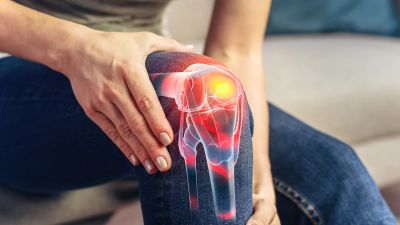
Joint arthritis occurs when the cartilage, joint capsule, and surrounding tissues begin to degenerate or become inflamed, leading to various arthritis symptoms. This condition can affect any joint, but it is most commonly seen in the knees, hips, spine, shoulders, and hands. There are two primary categories of arthritis: Osteoarthritis (OA), which involves degenerative 'wear-and-tear' changes in cartilage and joint surfaces, and inflammatory arthritis, which includes immune-driven conditions such as rheumatoid arthritis or psoriatic arthritis. Implementing effective joint rehabilitation strategies is crucial, as physiotherapy benefits include reducing pain, improving mobility, and slowing the progression of the condition by optimizing joint mechanics and muscular support.
Why Arthritis Develops
Age-related cartilage thinning, previous injuries such as sprains, fractures, or ligament tears, poor biomechanics or alignment, repetitive strain from occupational loading, muscle weakness or imbalance, genetic predisposition, and inflammatory autoimmune conditions all contribute to arthritis symptoms. It's important to note that arthritis is not merely about 'wearing out'; rather, it often stems from a mechanical and biological imbalance. This imbalance can be addressed through targeted joint rehabilitation strategies, which highlight the physiotherapy benefits in improving overall joint health and functionality.
Typical Symptoms
Joint pain or stiffness, swelling or warmth, and a reduced range of motion are common arthritis symptoms. Clicking, grinding, or crepitus can also occur, along with pain during weight-bearing or repetitive tasks. Many individuals experience morning stiffness that improves with movement, as well as difficulties with stairs, kneeling, gripping, or prolonged standing. These symptoms may fluctuate depending on activity level, stress, and inflammation. Incorporating joint rehabilitation strategies and understanding the physiotherapy benefits can significantly aid in managing these symptoms.
How Physiotherapy Helps
Physiotherapy focuses on restoring joint mobility, improving muscle support, and reducing mechanical stress on the affected joint, which is particularly beneficial for managing arthritis symptoms. Proper rehabilitation strategies not only slow disease progression but also enhance daily function. Treatment focuses on several key areas: manual therapy to reduce stiffness and improve joint glide, joint mobilization to enhance cartilage nutrition and movement, and biomechanics analysis to correct load distribution. Additionally, strengthening protocols are designed to stabilize muscles, while neuromuscular training improves joint control. Scientific-guided rehab ensures progressive loading, and bracing or taping may be utilized when temporary support is necessary. Education on pacing, load management, and flare-up prevention further underscores the comprehensive physiotherapy benefits for those seeking joint rehabilitation.
When to Seek Help
Book an assessment if you experience arthritis symptoms such as stiffness that limits daily activities, swelling or warmth around a joint, difficulty with stairs, gripping, or weight-bearing, or clicking and grinding sensations. If you have a previous injury that never fully recovered, early intervention is crucial. Joint rehabilitation strategies and physiotherapy benefits can help prevent worsening symptoms and improve long-term joint health.